
How to Choose Promotional Products for B2B Campaigns
A practical buyer framework for matching custom promotional products with the audience, campaign goal, budget, branding, packing, and delivery timeline.
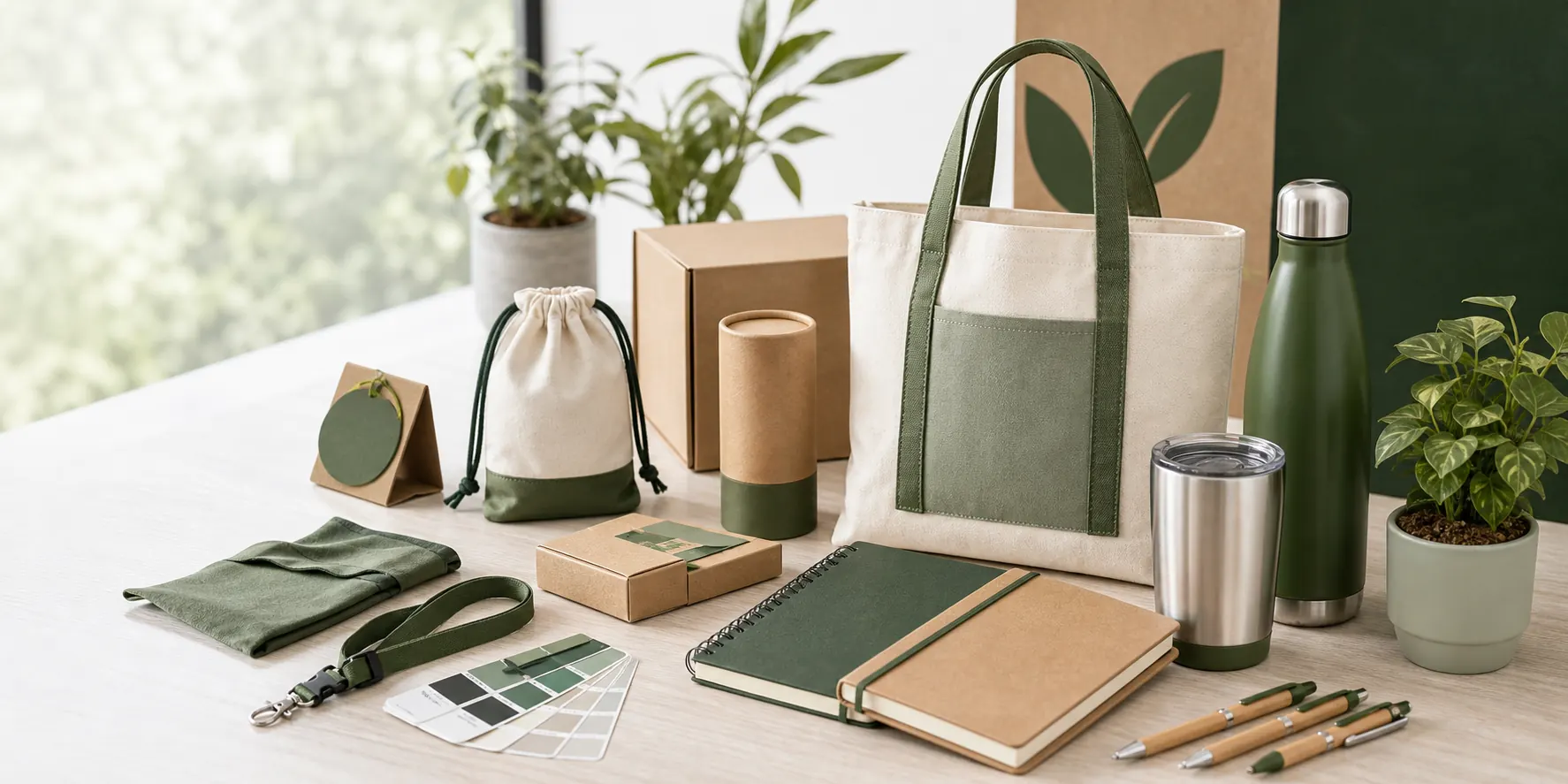
Buyer summary
What to know before requesting quotes
- Choose the product after defining what the campaign should achieve.
- Consider where the recipient will use the item, how often it may be used, and what size or weight is practical.
- The product price is only one part of a custom order.
- Logo method should fit the product surface, artwork, durability expectation, and quantity.
Start with the campaign outcome
Choose the product after defining what the campaign should achieve. A supermarket redemption item needs broad usefulness and clear perceived value. A distributor sample needs to demonstrate print quality. A corporate travel gift needs a stronger finish, dependable function, and presentation that supports the brand.
Write down the distribution method, recipient, campaign date, and desired action before comparing items. This immediately removes products that look attractive but do not fit the real use case.
Match the item to the recipient and environment
Consider where the recipient will use the item, how often it may be used, and what size or weight is practical. Reusable shopping bags suit grocery and retail programs. Storage products fit household-focused campaigns. Luggage works for premium loyalty rewards. Drinkware can support everyday visibility across many audiences.
Also review destination-market expectations. Product use, age group, food contact, labeling, packaging, and available documentation can affect which specification is appropriate.
Compare total campaign cost, not only unit price
The product price is only one part of a custom order. Material, size, logo coverage, print colors, individual packing, inserts, barcodes, master-carton volume, sampling, inspection, and shipping can all change the final campaign cost.
Give suppliers a target value or budget range. This makes it easier to compare meaningful options, such as a standard color with premium packaging versus a fully custom color with simpler packing.
Confirm branding and retail presentation early
Logo method should fit the product surface, artwork, durability expectation, and quantity. Screen printing is practical for many simple designs. Heat transfer supports more detail. Laser engraving gives a durable finish on suitable metal surfaces. Full-surface artwork may require sublimation or laminated printing.
Retail-facing campaigns should also confirm logo position, artwork size, color references, label copy, barcode format, insert cards, display packing, and carton marks before sample approval.
Build the timeline backwards from delivery
Allow time for product selection, quotation, artwork, sample preparation, sample delivery, approval, bulk production, inspection, and international shipping. A production estimate normally starts after the final specification and artwork are approved, not on the day of the first inquiry.
Share the required arrival date and destination at the beginning. If the schedule is tight, the product, customization, or shipping route may need to change before money is committed.
Use a complete buyer brief
A useful inquiry includes the product idea, intended audience, quantity or range, target value, logo artwork, color requirements, packing expectations, destination country, and required delivery date. For luggage, include the size or set. For storage products, include dimensions or capacity. For bags, include size and expected load. For drinkware, include capacity and intended use.
A clear brief produces more comparable quotations and reduces revisions later. It also gives the supplier enough information to flag unrealistic combinations before sampling begins.