
Supermarket Promotional Products Sourcing Guide
Plan supermarket loyalty and gift-with-purchase merchandise by product tier, MOQ, branding, packaging, quality checks, and delivery timeline.
Buyer summary
What to know before requesting quotes
- A supermarket promotional product should support a clear commercial action.
- A reward ladder helps buyers serve several spend or point thresholds without forcing one product to do every job.
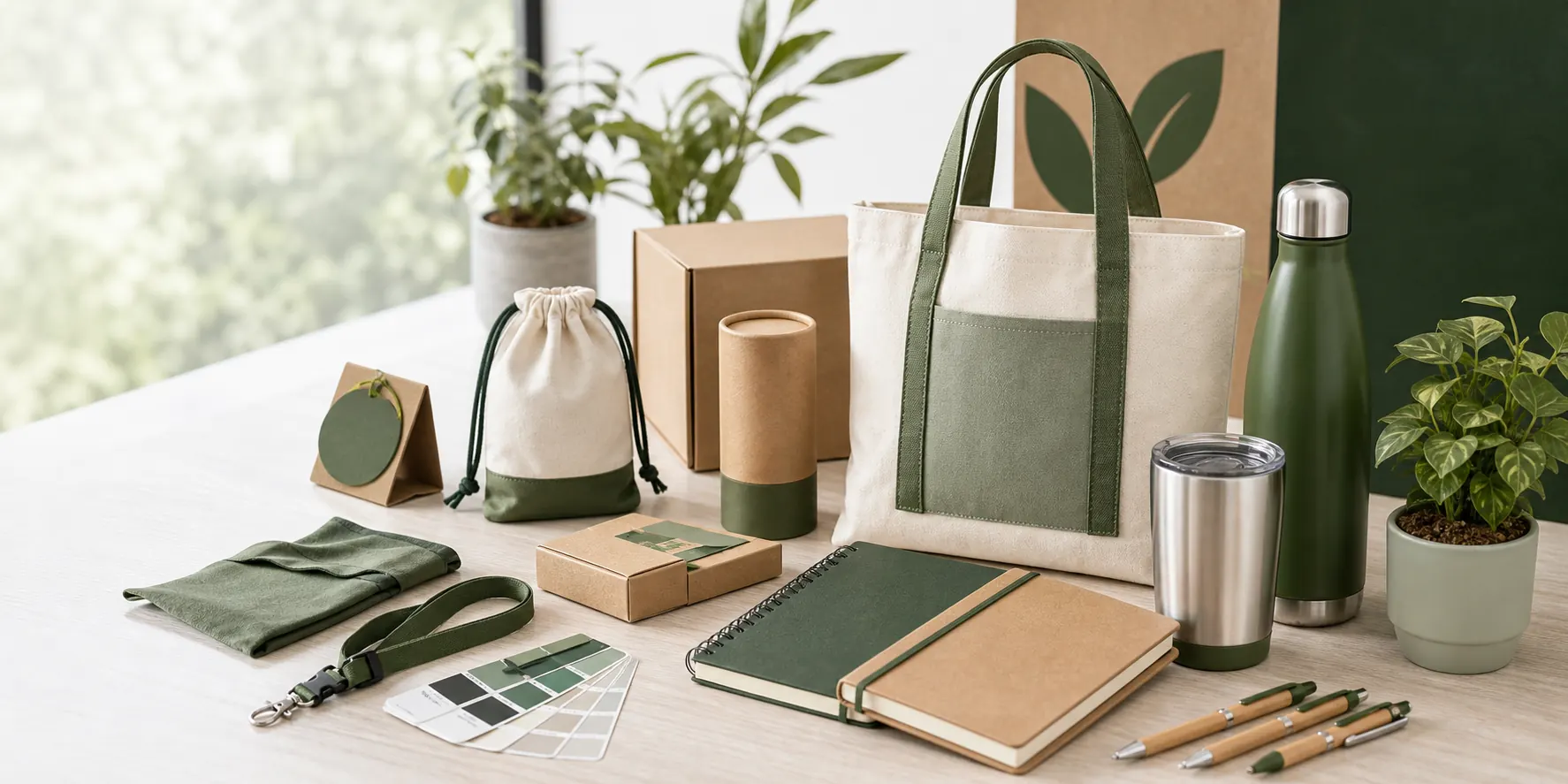
- Reusable shopping bags work because the customer can bring the reward back to the store, while a broad print area keeps the campaign visible.
- MOQ is affected by the selected material, mold or existing model, custom color, logo method, artwork coverage, packaging, component changes, and production schedule.
Start with the promotion mechanic, not the product catalog
A supermarket promotional product should support a clear commercial action. Common routes include gift with purchase, points redemption, member-only rewards, seasonal spend thresholds, supplier-funded promotions, and paid stamp-collection programs. Each route creates a different target value, quantity, packaging need, and perceived-value requirement.
Define the shopper, campaign period, store count, distribution method, qualifying spend, estimated redemption quantity, destination, and required arrival date before comparing products. This prevents a visually attractive item from reaching quotation stage when its packing volume, MOQ, or production schedule does not fit the campaign.
Build a good-better-best reward ladder
A reward ladder helps buyers serve several spend or point thresholds without forcing one product to do every job. A reusable event cup or simple shopping bag can support a high-volume entry tier. A structured tote, food-storage item, or kitchen organizer can provide a stronger mid-tier household reward. Custom luggage can create a premium tier for longer campaigns or higher redemption values.
Compare the complete delivered program cost at each tier. Product construction, branding, individual packing, inserts, barcodes, master-carton volume, inspection, and shipping can change the result more than a small difference in unit price.
Choose products that fit everyday supermarket shoppers
Reusable shopping bags work because the customer can bring the reward back to the store, while a broad print area keeps the campaign visible. Household storage and kitchen products suit family-focused promotions because they offer a clear daily use. Drinkware supports beverage partnerships, events, and lower-value redemption tiers. Luggage is better reserved for premium programs where the campaign can support a longer approval and production cycle.
The product should also fit the distribution environment. Check shelf or service-desk space, carton handling, assembly needs, product weight, user instructions, and whether staff must scan a barcode or verify a set count during redemption.
Treat MOQ as a specification question
MOQ is affected by the selected material, mold or existing model, custom color, logo method, artwork coverage, packaging, component changes, and production schedule. A standard color with a printed logo and simple packing normally supports a more efficient starting quantity than a fully custom construction.
Ask for the same quantity tiers from every supplier, such as an initial campaign estimate plus one lower and one higher option. Require each quotation to state the material, dimensions, decoration, packing, sample route, production estimate, and validity period so the prices remain comparable.
Plan branding and retail presentation together
Logo method should be selected from the actual surface and artwork. Screen print may suit simple bag or cup graphics, while heat transfer, UV print, embroidery, labels, patches, molded marks, or logo plates serve different materials and visual requirements. Approve logo dimensions and position on a product proof or sample rather than relying on the artwork file alone.
Supermarket campaigns often need more than a logo. Confirm campaign copy, care or use instructions, barcode format, redemption label, insert card, color sleeve, retail box, display information, legal review, master-carton marks, and language requirements before sample approval.
Confirm product use and destination requirements
Food-contact items, drinkware, children's products, electrical accessories, and products making material or environmental claims can require specific documents or tests for the destination market. Tell the sourcing partner where and how the item will be used before choosing a production route.
Do not transfer a certification, recycled-content claim, temperature claim, carrying-load number, or test result from a marketplace listing to a different product. Documents and agreed checks must match the selected material, construction, supplier, destination, and production order.
Create a campaign-specific quality checklist
The checklist should cover appearance, dimensions, material, color, function, assembly, logo position, print adhesion, packing, count, barcode, instructions, master cartons, and any agreed use test. Product-specific checks also matter: bag handle attachment, luggage wheels and trolley, dispenser rotation and selector alignment, or cup nesting and rim finish.
Approve a physical or production-equivalent sample and record what it represents. Before shipment, inspection criteria should identify the approved sample, tolerances, test method, sample size, packing requirements, and action required when a result falls outside the agreement.
Work backwards from the store launch date
Allow time for the buyer brief, quotation comparison, artwork, sample production, sample delivery, revisions, final approval, bulk production, inspection, international shipping, customs clearance, warehouse receiving, and store distribution. Peak periods and custom components may extend the plan.
A quote-ready brief should include the campaign mechanic, shopper profile, product tier, estimated quantity, target value, destination, required arrival date, preferred material and color, logo artwork, packing, barcodes, document needs, and inspection plan. When the product is still open, request two clearly separated specification routes instead of one price for an undefined item.
Products and tools for your sourcing brief
Use these pages to compare practical product routes and prepare a more complete request for quotation.
Frequently asked questions for buyers
Which promotional products work well for supermarket loyalty programs?
Reusable bags, household organizers, kitchen storage, drinkware, shopping trolleys, and luggage can all work when matched to the shopper, redemption threshold, target value, store distribution method, packing space, and campaign schedule.
What is a typical MOQ for supermarket promotional products?
There is no single MOQ. Existing models with standard materials and simple logo decoration may begin from several hundred or several thousand pieces, while custom colors, molds, components, sets, and retail packing can require more. Ask suppliers to quote the same specification at matching quantity tiers.
How early should a supermarket promotion be sourced?
Work backwards from the required store arrival date and include briefing, quotations, artwork, samples, revisions, production, inspection, shipping, customs, warehouse receiving, and distribution. The correct schedule depends on the product, destination, season, and customization level.
What information is needed for an accurate quotation?
Share the campaign mechanic, product or use case, quantity tiers, target value, destination, delivery date, material, dimensions or capacity, color, logo artwork, packaging, barcode, documents, and inspection needs. A structured RFQ makes supplier offers easier to compare.